


Summer football camps · Ages 11 to 18

Summer camps, at the schools and academies we already know

A residential fortnight of daily coaching, competitive matches and campus life. We place players into camps run by partner schools and residential academies in the UK, the USA and Europe, and we tell you which one suits the player in front of us.

Ages 11 to 18 Grouped by age and level
UK, USA and Europe Partner schools and academies
Free advice We are paid by schools, not by you

What it is

A fortnight of full-time football, lived the way a boarder lives it.

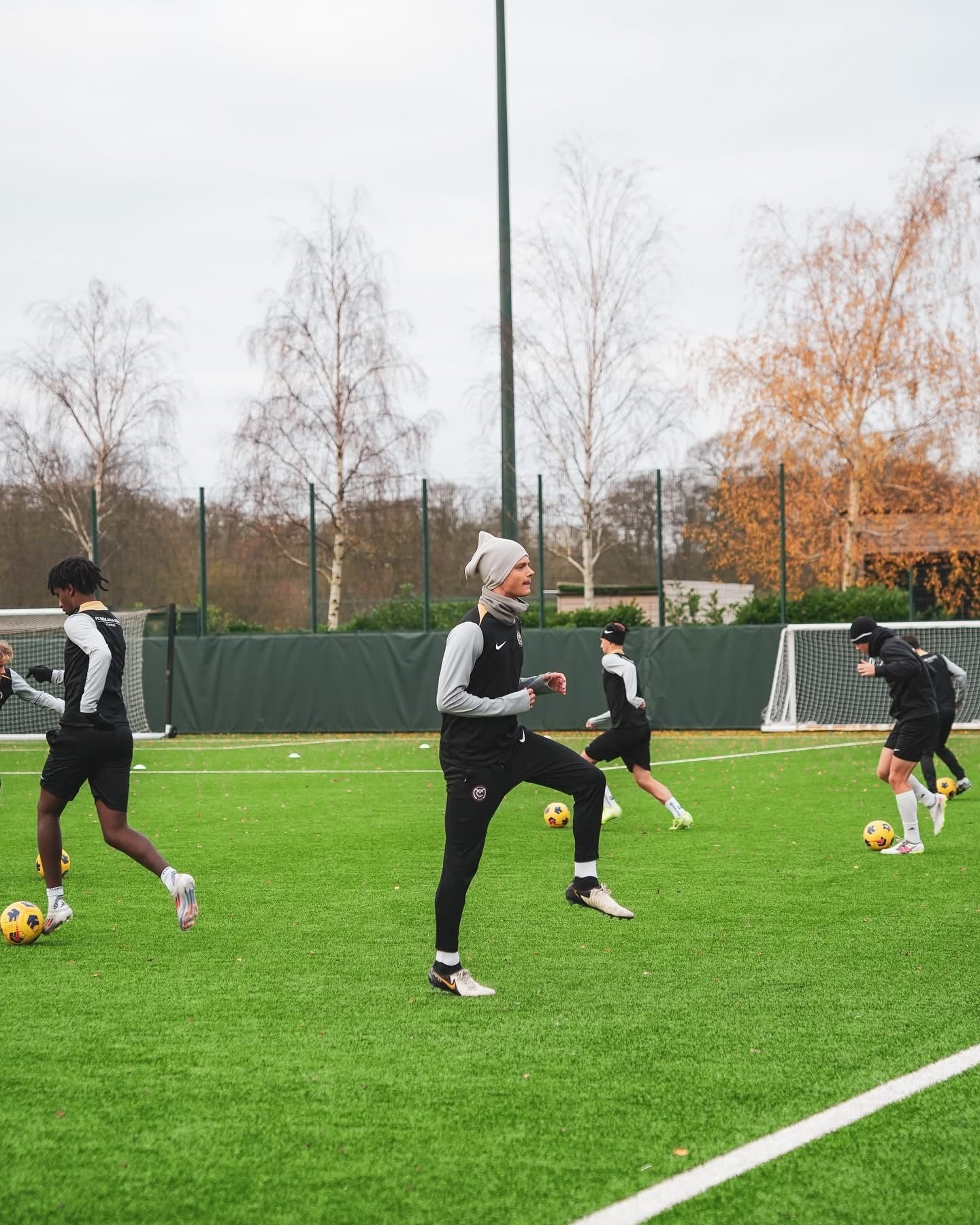
Players train and play daily, eat where the students eat, sleep on campus and are supervised around the clock. Some camps run at boarding schools, some at residential academies; the shape of the day is much the same. The football is the reason they come, and the living away from home is usually what changes them.

11–18

the age range, split into groups so a 12 year-old is not training against a 17 year-old

2 weeks

the usual block, though some camps run one week and some run three

3

regions we place into: the UK, the USA and Europe

What it is not

A camp is not a trial and no camp can promise a club or a school place. If a coach sees something, an introduction can follow. But book a camp for the fortnight itself, not for a scouting outcome.

Where they run

Three regions, one standard of question

We place into camps in the UK, the USA and Europe. The region matters less than the operator: the checks further down this page are the same wherever the camp is.

United Kingdom

Boarding school campuses

The largest group. Camps run on the grounds of schools we place into all year, which is why we know what the coaching and the supervision are actually like.
US camp photo needed

United States

College and academy programmes

Summer programmes with a college pathway attached. Worth a look for players already thinking about the US route rather than a UK school place.
European camp photo needed

Europe

Club-affiliated academies

Residential academies on the continent, several attached to professional clubs. Shorter flights for European families and a different style of game.

Every region

Residential, not day camps

The camps we advise on are residential. Players live on site for the block, which is the half of the experience a day camp cannot give them.
Players walking back across a school campus after training

Who it suits

Worth doing, and worth not doing

A camp is a good decision for some players and a waste of a summer for others. It is easier to say which is which before you book than after.

  • The player weighing up boardingTwo weeks in a boarding house answers the question no brochure can: whether your child is ready to live away from you.
  • The player who trains twice a week and wants moreDaily coaching for a fortnight is more football than most club seasons deliver in three months.
  • The international family testing the waterA summer visit costs a fraction of a school year and needs a visitor visa rather than a Child Student visa.
  • Who it does not suitA child who is homesick on a two-night school trip, or a family expecting a camp to function as a scouting shop window. Say so and we will tell you honestly.

Talk it through with an adviser

What a week holds

Four things happen at once

Camps differ in detail, and we will tell you how the specific one you are considering runs. These four are common to all of them.

On the grass

Coaching, daily

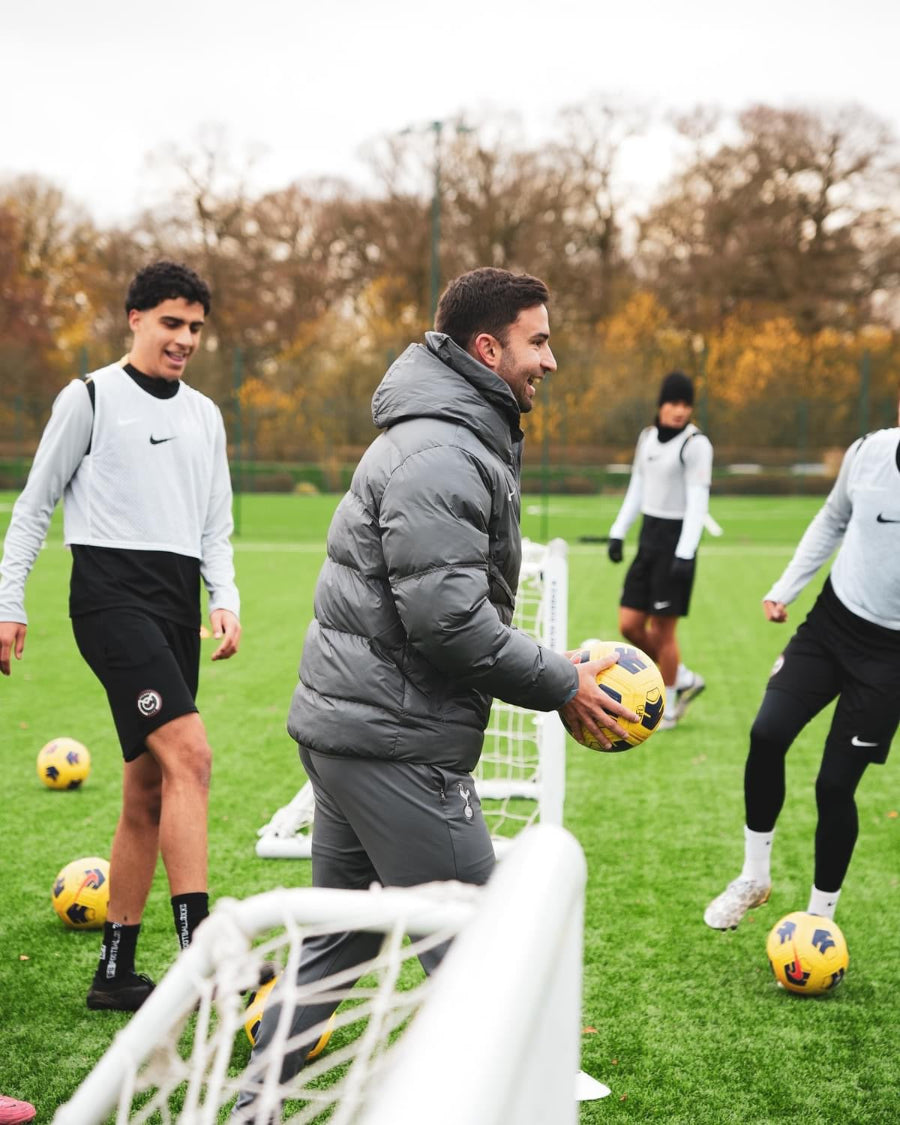
Technical work in the morning, tactical or position-specific work later. Small groups, and enough repetition to actually change something.

Match play

Games that mean something

In-house tournaments and fixtures against local sides. The English game is quicker and more physical than most arrivals expect, and two weeks is long enough to adjust.

Off the pitch

Boarding house life

Shared rooms, dining hall, common room, laundry, lights out. Supervised around the clock by staff who do this for a living.

Everything else

Trips, teammates, English

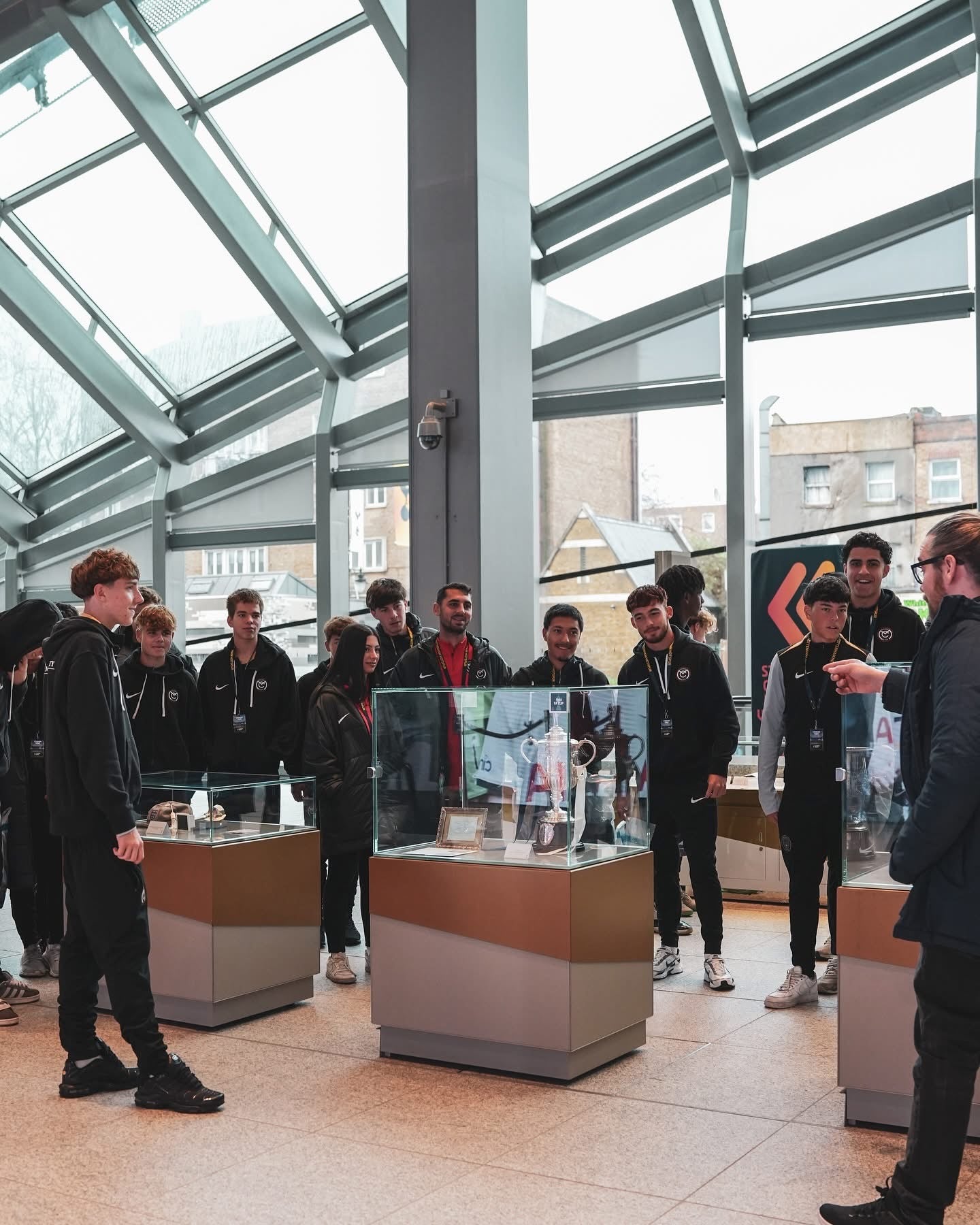
Squads are international wherever the camp is, so the friendships are global and most camps run at least one day out.

This summer

Dates, venues and prices

Caldon: these three rows are placeholders. Send me the 2027 camps with venue, dates, age groups and price, and they become a real table. Until then the page says so rather than implying we have something to sell.

  1. Summer 2027TO CONFIRM

    Camp one

    Venue, dates and age groups to confirm.

    From TO CONFIRM

    Price, and what it includes, to confirm.

  2. Summer 2027TO CONFIRM

    Camp two

    Venue, dates and age groups to confirm.

    From TO CONFIRM

    Price, and what it includes, to confirm.

  3. Summer 2027TO CONFIRM

    Camp three

    Venue, dates and age groups to confirm.

    From TO CONFIRM

    Price, and what it includes, to confirm.

Places are allocated by the camp operator, not by us. We can tell you which ones are worth the money and get you in front of the right person.

Free, and independent

Which camp, for this player?

Tell us your child's age, level, dates and where you are flying from. We will say which camps fit, which do not, and whether a camp is the right use of the summer at all.

We are paid by schools and programmes on enrolment. Families pay us nothing.

Before you book

Five things to check before you pay a camp deposit

Summer camps are an unregulated market and the brochures look identical. These five questions separate them faster than any website will.

How many players to a coach, and to a member of house staff

Coaching quality collapses at scale. So does supervision. Ask for both numbers, on the pitch and in the boarding house overnight.

Ask this Ask for the ratio in writing, for the specific week you are booking, not the brochure average.

How players are grouped once they arrive

A camp that trains a 12 year-old alongside a 17 year-old is running a holiday, not a programme. Good camps group by age and reassess by level in the first two days.

Ask this Ask what happens on day two if your child is in the wrong group.

Who is responsible for your child at three in the morning

A residential camp is a boarding operation with a football programme attached. There should be a named welfare lead, DBS-checked staff and a written safeguarding policy you can read before you book.

Ask this Ask for the policy document and the name of the designated safeguarding lead. A camp that hesitates has answered you.

What the price actually covers

Transfers, kit, laundry, insurance, trips and airport pick-ups are sometimes included and sometimes not. The gap between a headline price and the real one can be several hundred pounds.

Ask this Ask for the total, landed, including transfers from the airport you are actually flying into.

What happens when the fortnight ends

Some camps write a player report. Some make introductions where a player warrants one. Most do neither unless you ask.

Ask this Ask whether you get a written assessment, and who writes it.

We ask these for you

We have been to the campuses and we know which operators answer these questions well. That is the whole service, and it costs you nothing.

Your questions

Summer camps: your questions answered

Does my child need a visa for a summer camp?

For a short summer camp, most international families travel on a standard visitor visa rather than a Child Student visa, which is the route for a full school place. The rules depend on nationality and on length of stay, so check the current position on gov.uk before you book flights, and read our visa page for the school route.

What standard does my child need to be?

Camps take committed players rather than only academy players. Groups are set by age and then adjusted by level in the first sessions. A child who plays regularly for a school or club team will not be out of their depth.

Can a camp lead to a school place or a club trial?

It can, and it is not the reason to go. Coaches do notice players and introductions do follow, but no camp can promise it. If a school place is the goal, the direct route is a school application, and we handle those.

Where do the camps actually run?

We work with partners in the UK, the USA and Europe. Most of what we place into is in the UK, on the campuses of schools we visit through the year. The US programmes tend to carry a college pathway, and the European ones are often attached to professional clubs. Tell us where you are flying from and we will start there.

How long is a camp?

A fortnight is the usual block. Some operators run single weeks, and a few run three. Two weeks is long enough for a player to settle and be seen properly, and short enough to recover from if it does not suit them.

Is it residential, or can they attend daily?

The camps we advise on are residential: players live on campus for the block. Day places exist at some venues. Ask us and we will tell you which.

What does it cost?

Prices vary by operator, venue and length of block, and what is included varies more than the headline price does. Ask us for the landed cost of the specific camp you are considering, including transfers.

What if my child has never been away from home?

That is one of the better reasons to do a camp, and one of the reasons to be honest with us first. A fortnight is long enough to matter and short enough to recover from. Tell us how they were on their last school trip and we will give you a straight view.

Further reading

Where families go from here

If a camp goes well

The routes a good fortnight can open.

Getting here

What international families sort out first.

For the player

Worth reading before they arrive.

Summer places go early

Tell us who is coming

Age, level, dates that work and where you are flying from. We will come back with the camps worth your money.

Free to families. We are paid by schools and programmes on enrolment.

Which camp

Matched to age, level, dates and budget.

The booking

Introductions to the operator, and the questions asked for you.

Travel

Visitor visa guidance, flights and airport transfers.

And after

If the summer changes the plan, we handle the school route too.